
Judging a Book by its Cover
- Posted By Andrew Morgan
In today’s digital landscape, online search has made accommodation businesses instantly discoverable, often replacing traditional methods of market exposure. Nevertheless, for real estate assets positioned along major arterials and high traffic corridors, particularly motels, physical presence remains one of the most valuable and underutilised marketing channels. Street appeal, façade presentation, and onsite signage directly influence a property’s commercial performance, functioning as 24/7 advertising to thousands of passing motorists.
Many motels occupy high value real estate on main roads, highways, and within busy commercial precincts, giving them unparalleled exposure that would be extremely costly to replicate through paid advertising. Yet the psychological impact on prospective guests and the intrinsic financial value of this passive, location driven marketing is often underestimated by owners and operators. This leads to a critical question for any asset holder: why allow such a significant commercial advantage, and one of the property’s most powerful revenue generating tools, to deteriorate through neglect?
When viewed through an investment lens, professional signage stands out as one of the highest yield marketing assets available to motel operators and property owners. By spreading the initial capital expenditure across the thousands of commuters and travellers who pass the property each day, the effective cost per impression becomes dramatically lower than comparable digital or print advertising. For example, a well constructed $30,000 pylon sign with a functional lifespan of ten years equates to just $3,000 per annum. This is an exceptionally modest outlay given the volume of prospective guests travelling past the asset daily.
Beyond its low ongoing cost, quality signage performs multiple commercial functions. It reinforces the property’s market positioning, creates point of difference within a competitive strip, and directly generates “drive by” bookings, contributing both to occupancy and long term valuation. While the structural frame of a sign may last a decade or more, the interchangeable sign faces typically require more frequent renewal to prevent fading or to update branding and messaging. Regular face replacements represent a highly cost effective capital improvement, ensuring the asset maintains a premium appearance and continues to convert passing traffic into immediate room revenue and sustained brand recognition.
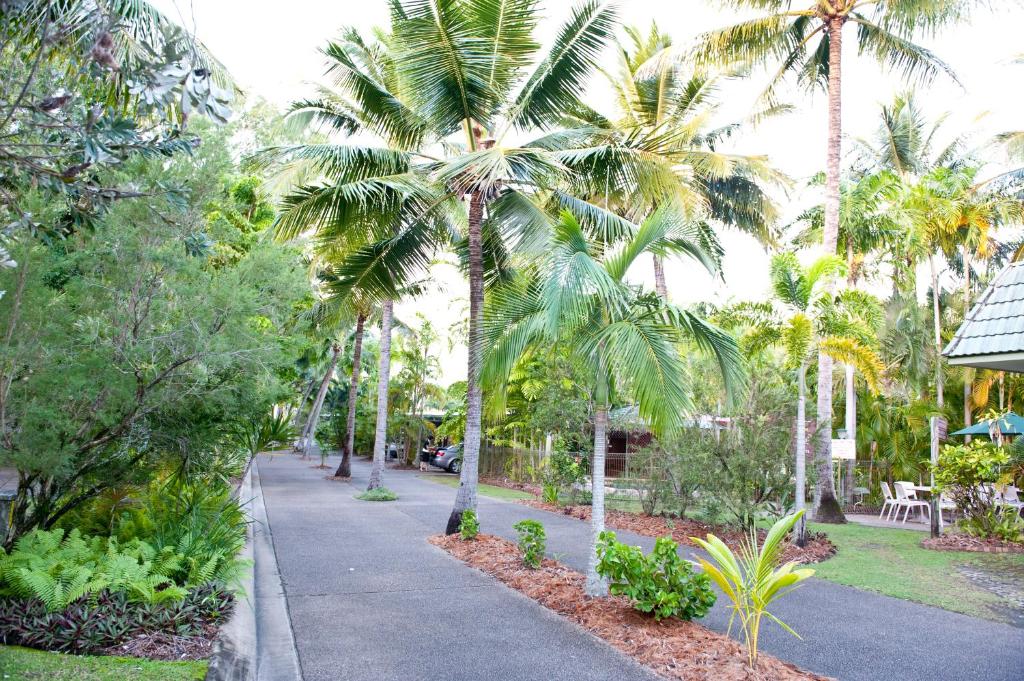
A motel’s market reputation is largely anchored in its external presentation, its façade, landscaping, and primary signage. For a passing motorist who has never inspected a room or interacted with the property, these external cues become the sole basis for assessment. Within seconds, a subconscious judgement is made about the likely standard, maintenance, and overall quality of the accommodation. Even if a property offers the region’s most comprehensively refurbished suites, that internal value is effectively hidden if the exterior fails to engage attention. In this sense, the façade functions as a visual promise of the hospitality experience the asset is positioned to deliver.
Consumer behaviour also demonstrates a clear link between brand familiarity and purchase intent. For daily commuters or frequent travellers along a particular route, repeated exposure to high quality, professionally maintained signage generates cumulative psychological recognition. This “passive familiarity” builds trust over time, increasing the likelihood of future direct bookings and enhancing the property’s perceived reliability. A well maintained exterior not only captures immediate drive by demand but also strengthens long term brand equity, effectively converting every passing motorist into a potential future guest and informal promoter of the property to others.
The capital outlay required for new signage is often the primary barrier to upgrading a motel’s external presentation. In leasehold arrangements, the Lessee is typically motivated to install updated signage to elevate the property’s image, strengthen street appeal, and increase drive by conversions, directly improving occupancy and operational income. Importantly, these enhancements also benefit the Lessor by supporting a more sustainable and profitable tenancy, ultimately protecting and potentially enhancing the underlying freehold value. In most cases, the major signage structure is considered part of the building and therefore owned by the Lessor, who is responsible for structural replacement when required. The Lessee generally undertakes day to day maintenance and funds routine updates such as sign face replacements, which are relatively low cost and easy to refresh. This division of responsibility aligns with broader principles of asset stewardship, being that the Lessor protects the long term infrastructure, while the Lessee maintains the operational presentation.
A well presented frontage combined with high impact, strategically positioned signage acts as a continuous marketing asset, delivering visibility to thousands of potential guests every day. While the industry has long recognised the importance of street appeal, its relevance remains as strong as ever. Professional signage operates as the motel’s most reliable silent salesperson, promoting the business around the clock, driving direct bookings, and reinforcing the property’s brand presence in the minds of passing travellers.