
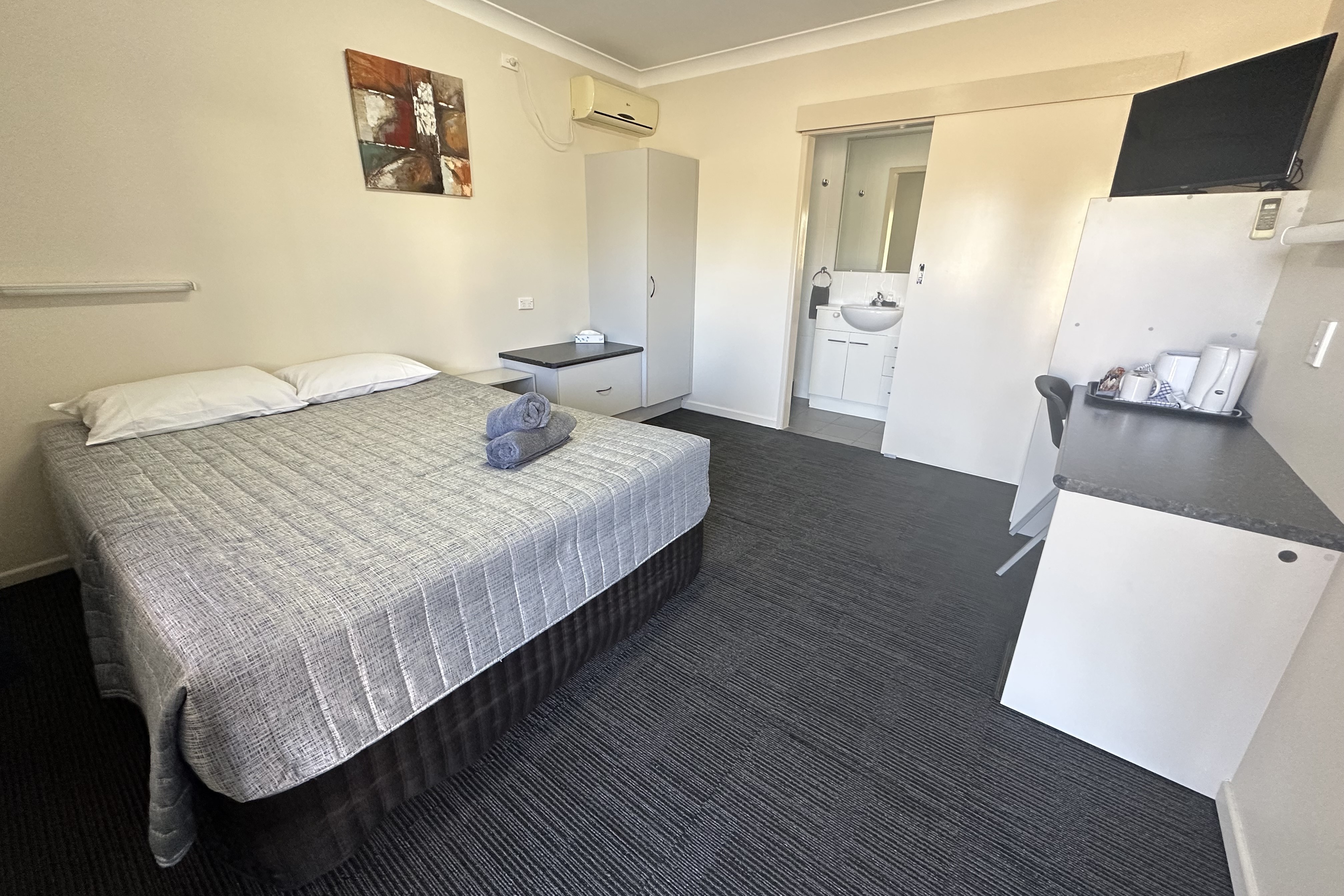
Why are Motels in Demand?
- Posted By Andrew Morgan
The high rate of repeat investment in the motel sector has not happened by chance. Experienced operators frequently return to the industry, either immediately or after a period of absence. This sustained engagement stems from the operational flexibility and attractive financial yields that motel ownership provides. Currently, an increasing number of seasoned owners are actively searching for new acquisitions to expand their portfolios. For prospective buyers, this high rate of reinvestment by industry insiders highlights the commercial viability and enduring appeal of the motel market.
Every investment carries distinct advantages and risks, making it essential to evaluate the unique benefits of motel ownership.
1. Autonomy and Lifestyle Flexibility - Motel ownership offers complete professional autonomy, allowing operators to make all strategic and operational decisions. The day-to-day operations provide a dynamic work environment, balancing administrative tasks in an office with active, outdoor management. This variety replaces the monotony of traditional corporate roles or pure manual labour, providing the flexibility to structure your schedule to suit your lifestyle.
2. High Yield Customer Loyalty - For operators focused on service excellence, the motel industry offers strong potential for repeat business. Establishing robust guest relationships fosters deep customer loyalty and secures a predictable revenue stream.
3. Accelerated Return on Investment (ROI) - The motel sector is recognised for delivering highly competitive returns on investment. This strong profitability enhances loan serviceability, making acquisitions highly favourable to lending institutions. Furthermore, the robust cash flow allows owners to aggressively pay down debt and build equity quickly.
4. Continuous Market Opportunity - The commercial real estate market consistently yields viable buying opportunities for strategic investors. Looking beyond a property's current facade allows prospective buyers to identify latent operational efficiencies and untapped revenue streams. No hospitality business operates at absolute capacity, meaning a new owner brings a fresh perspective. This transition allows opportunity to implement modern systems and marketing strategies to significantly increase asset value.
5. Superior Asset Backing and Capital Efficiency - Motels offer exceptional value compared to other investments. A $2 million motel can yield more than $280,000 annual net profit, far outperforming traditional housing options. The purchase price heavily represents tangible physical assets. This substantial asset backing minimizes downside investment risk. Furthermore, these properties typically occupy high exposure, high visibility locations that naturally preserve long term commercial value.
6. Favourable Commercial Financing Structures - Lending institutions view the motel sector as a highly secure investment class. Financial backers favour the industry due to its historical stability and reliable cash flow. Consequently, qualified buyers can secure attractive leverage, providing buyers with strong purchasing power.
7. Strategic Tax Optimisation and Cost Integration - An on site manager's residence offers major tax and lifestyle advantages. Depending on the legal structure, one can integrate traditional household expenses directly into business operations. Costs such as utilities, insurance, phone, internet, vehicles, and property rates often qualify as legitimate business outlays.
8. Immediate and Robust Cash Flow - The motel business model generates strong, immediate liquidity from day one. Unlike industries reliant on extended invoicing terms, motels benefit from upfront payments, with most guests paying at check in via credit card or digital channels. This continuous cash inflow minimises working capital strains and provides immediate operational funding to cover overheads, debt commitments, and immediate reinvestment from the onset of ownership.
9. Minimal Stock and Capital Tied in Inventory - Motels carry exceptionally low amounts of stock compared to standard retail or wholesale operations. For properties focused entirely on accommodation, inventory requirements are negligible. Even for mid-to-large properties featuring on site dining and beverage services, stock levels typically range from a modest $10,000 to $30,000.
10. Established and Resilient Exit Market - When you choose to divest, the motel sector features a mature, liquid secondary market with a consistent pool of qualified buyers. While macroeconomic cycles experience natural highs and lows, historical data over the past 30 years confirms an enduring demand for well maintained, high performing motel operations. This provides a reliable exit strategy and long term capital protection.
11. Scalable Management and Operations - The operational framework of a motel allows for seamless management by an individual, a couple, or an external team. If an owner operator wishes to step back from daily operations either for a short term break or as part of a long term passive investment strategy, the industry supports a robust network of qualified relief and permanent managers. This operational flexibility allows you to easily transition from hands on owner to a high level oversight role without disrupting business continuity.
12. On-Site Residence and Integrated Family Living - Most motels include a private, fully equipped owner’s or manager’s residence on site. This layout eliminates daily commuting, significantly reducing personal travel expenses and maximising quality time with family. Additionally, an on site business provides a unique environment for older children to gain practical life skills.